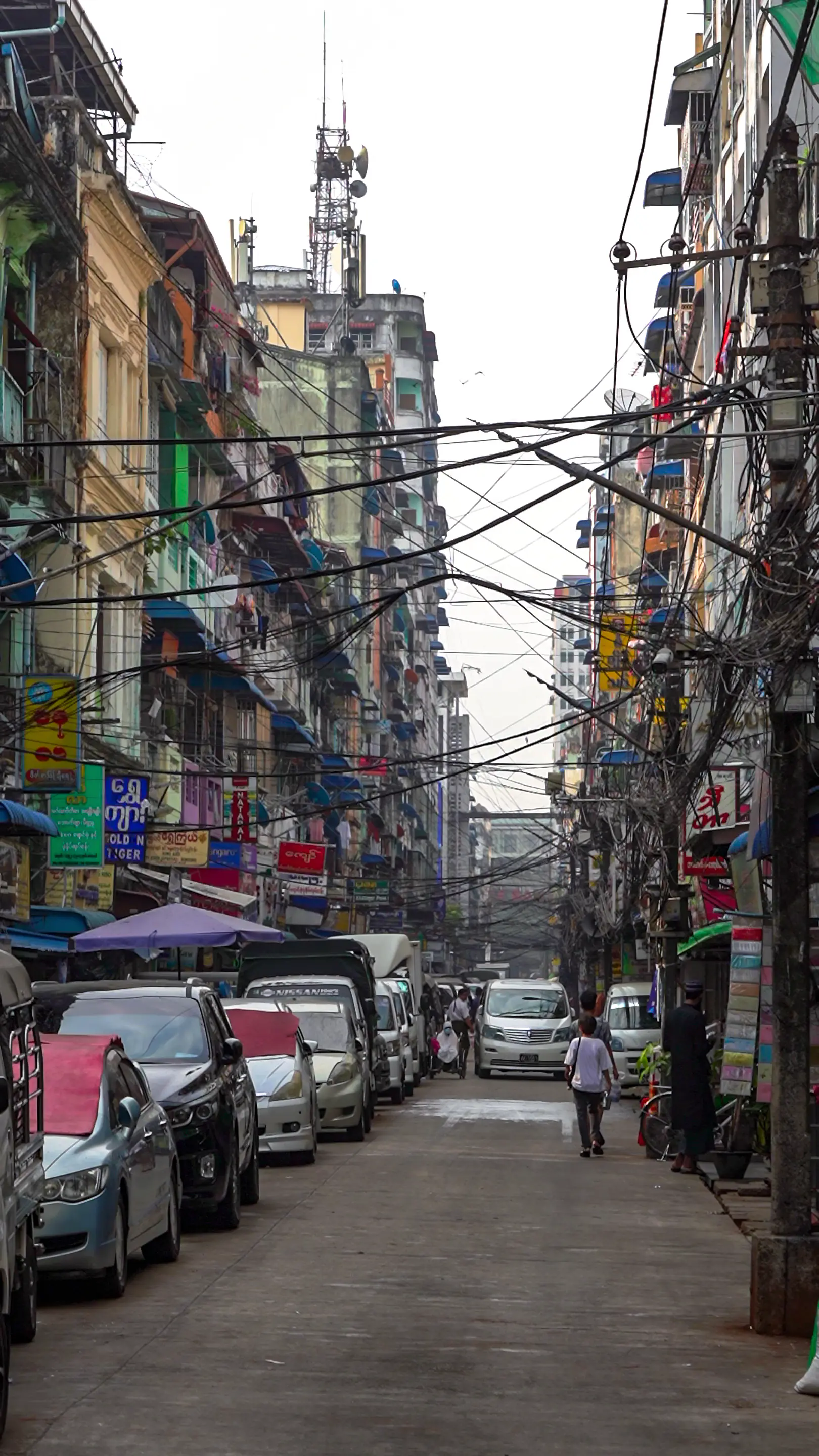
Electricity is unreliable countrywide
Power outages are a daily occurrence. Businesses either stop operating or resort to costly diesel generation.

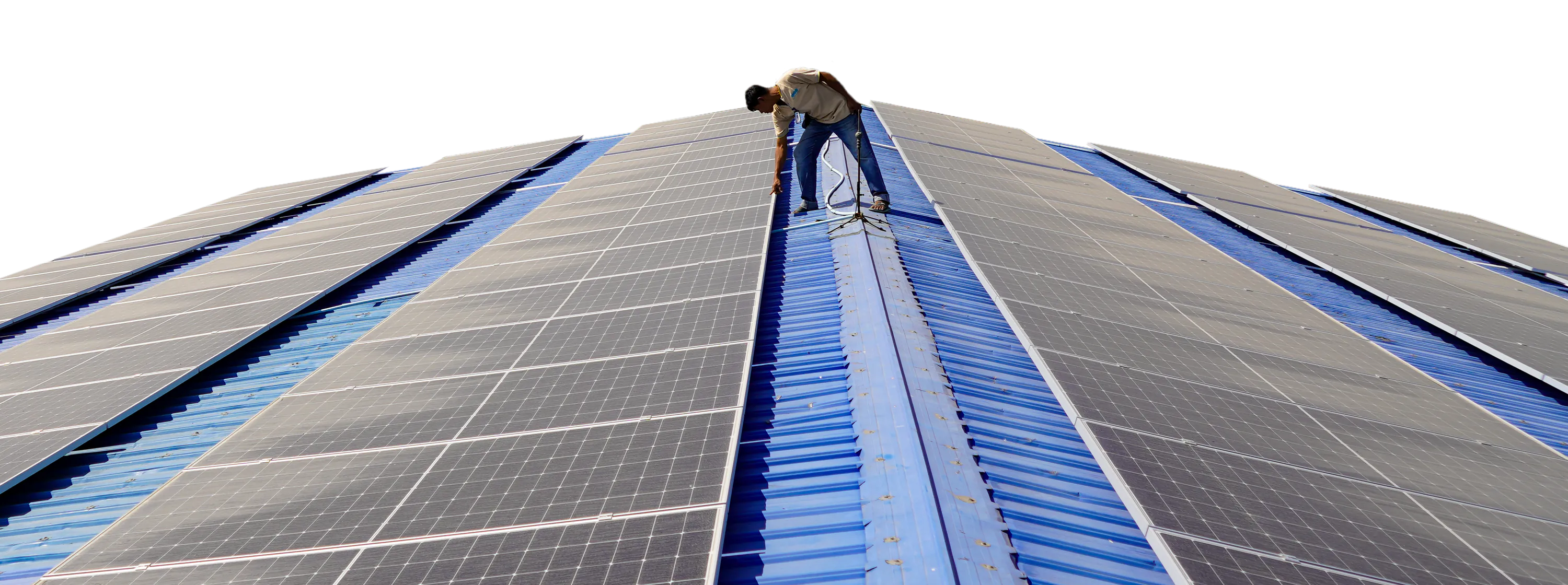
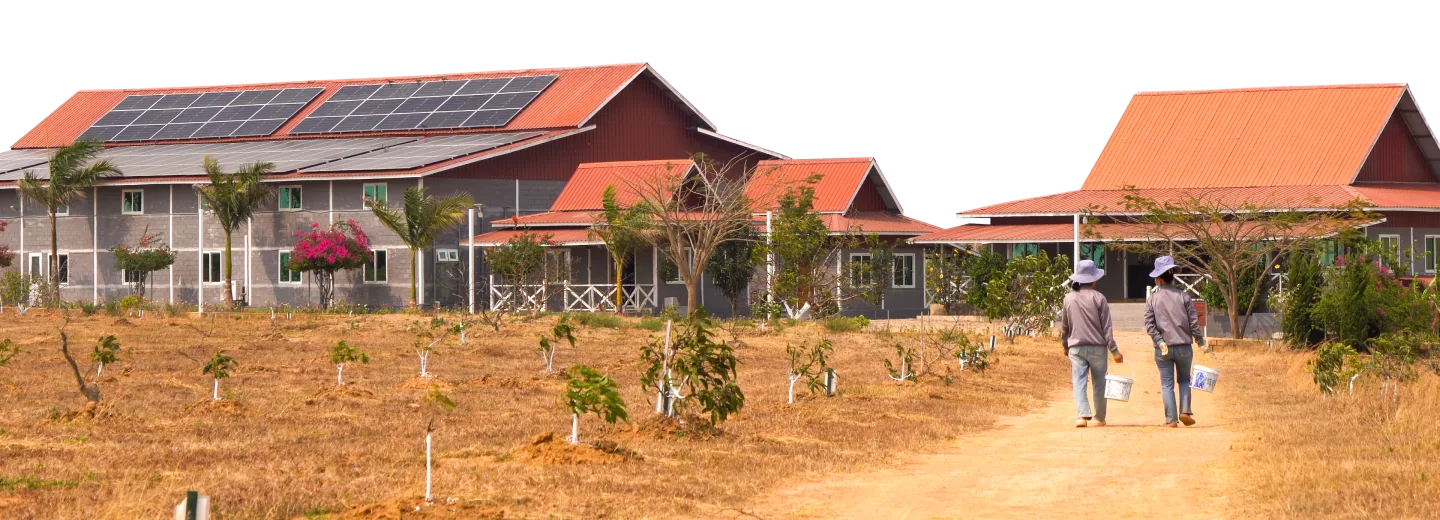
From large factories to small farms, we ensure Myanmar businesses have the financial and technical resources to switch to renewable energy.
181,000
Lives Transformed
400,000 tons
Emissions Averted Over Project Lifetimes
$9,200,000
In Renewable Energy Investment Catalyzed
Power outages are a daily occurrence. Businesses either stop operating or resort to costly diesel generation.
Local banks often require collateral up to 200 percent of the loaned amount, constraining strong but asset-limited businesses.
Businesses need renewable energy but can't get financing
Key stakeholders are not interacting, preventing linkages that would otherwise catalyze renewable development.
Loan guarantees and blended capital structures that unlock commercial lending
Technical assistance and capacity building for banks and solar developers to de-risk solar investment
Sector data and analysis that guide investment decisions and innovations
Innovating, networking, and launching renewable energy certificates
We help arrange financing with the best possible terms
We design each system with expert site analysis and technical planning
We help identify the right solar company and equipment, then verify that every system meets international standards









50%
energy cost reduction
$200K
est. lifetime savings
3.47 Yrs
to break-even
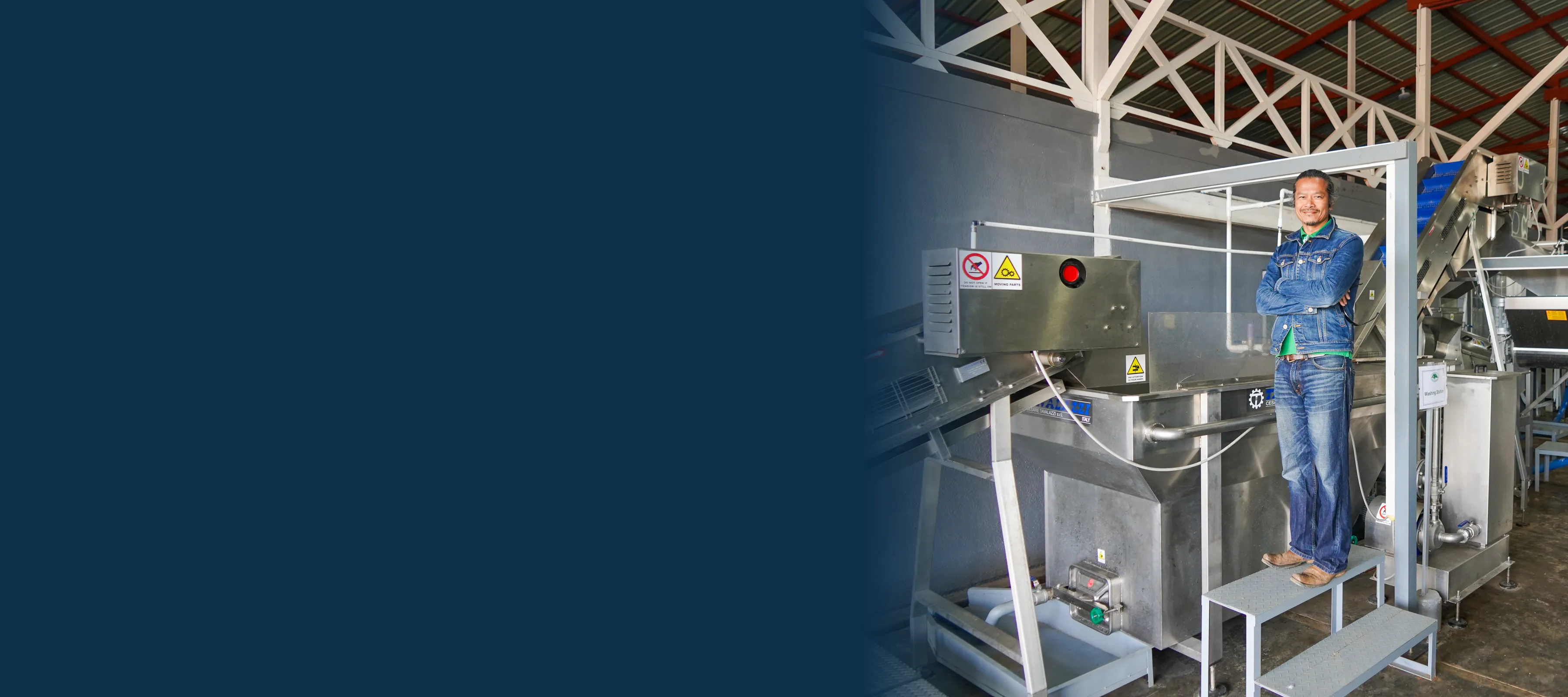
Producing 20,000 liters of peanut oil per month, Ngew Thazin Minn partnered with Smart Power Myanmar to design, finance, and procure a world-class solar system.

51%
energy cost reduction
$806K
est. lifetime savings
5.65 Yrs
to break-even
With Smart Power Myanmar's assistance, Premium Valiant Family secured a low-interest loan for rooftop solar, ensuring its furniture factory continues to meet growing local and international demand.

54%
energy cost reduction
$198K
est. lifetime savings
1.7 Yrs
to break-even
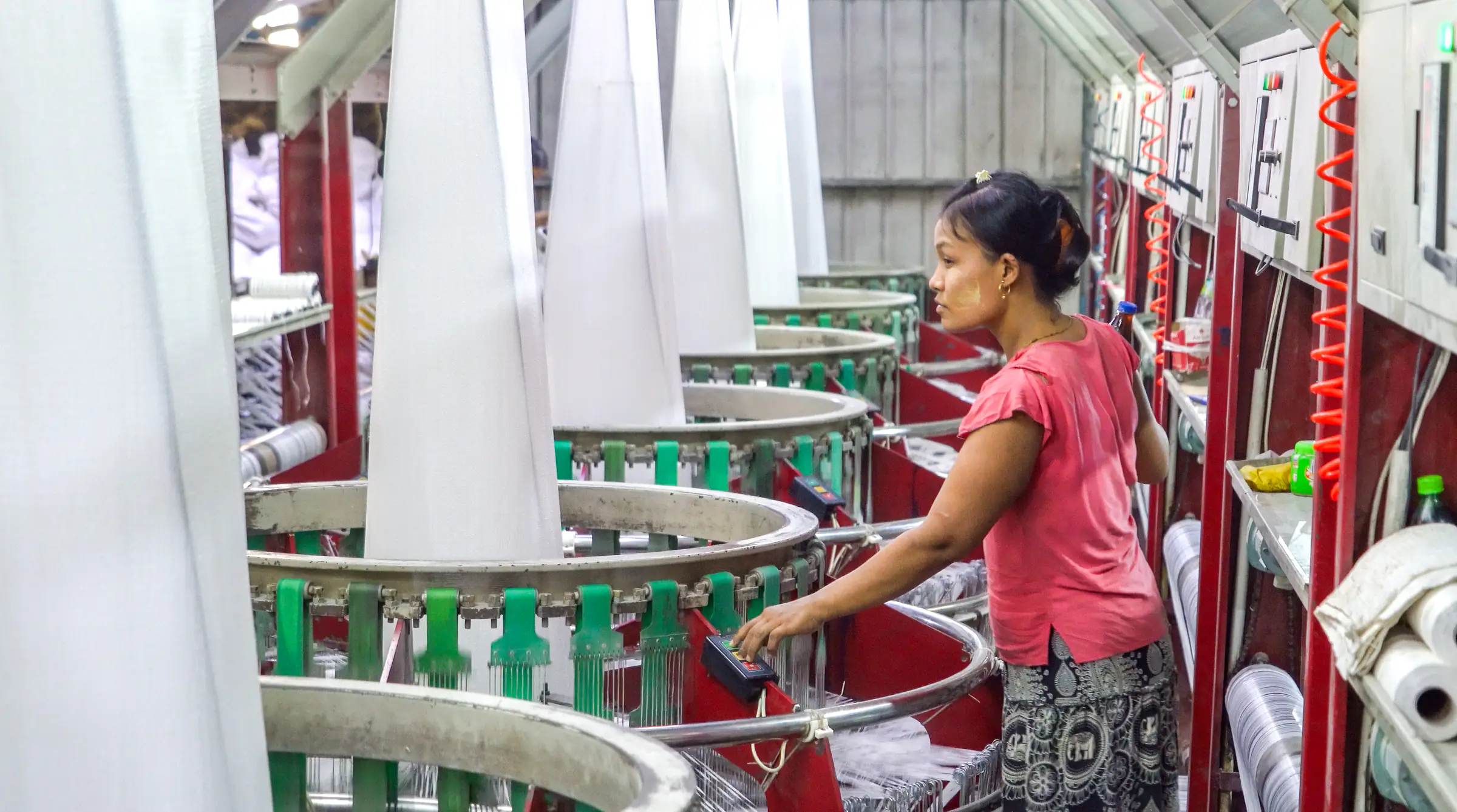
With solar power supported by Smart Power Myanmar, Triple Three now has reliable energy to power its plastic bag weaving machines and is saving thousands of dollars on energy costs.

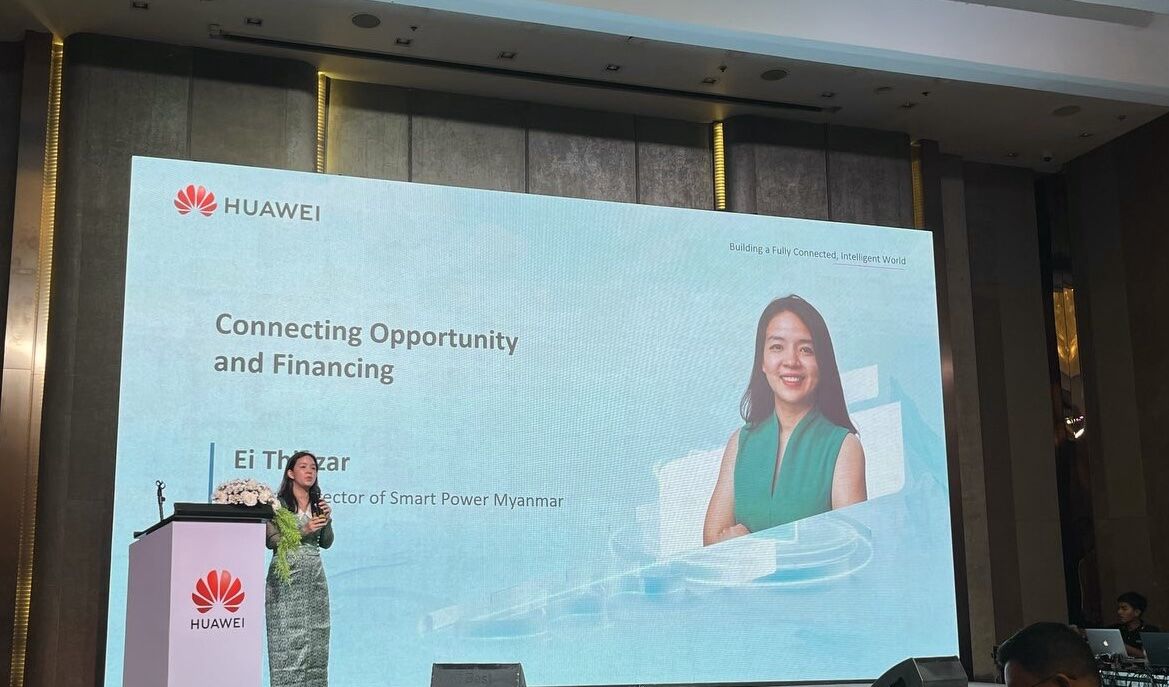
Financing is key to scaling renewable energy in Myanmar, but unlocking it takes technical support, capacity building, and risk-sharing. Thank you Huawei Digital Power for inviting SPM to share how we're helping build the ecosystem businesses need to invest in solar.
View post 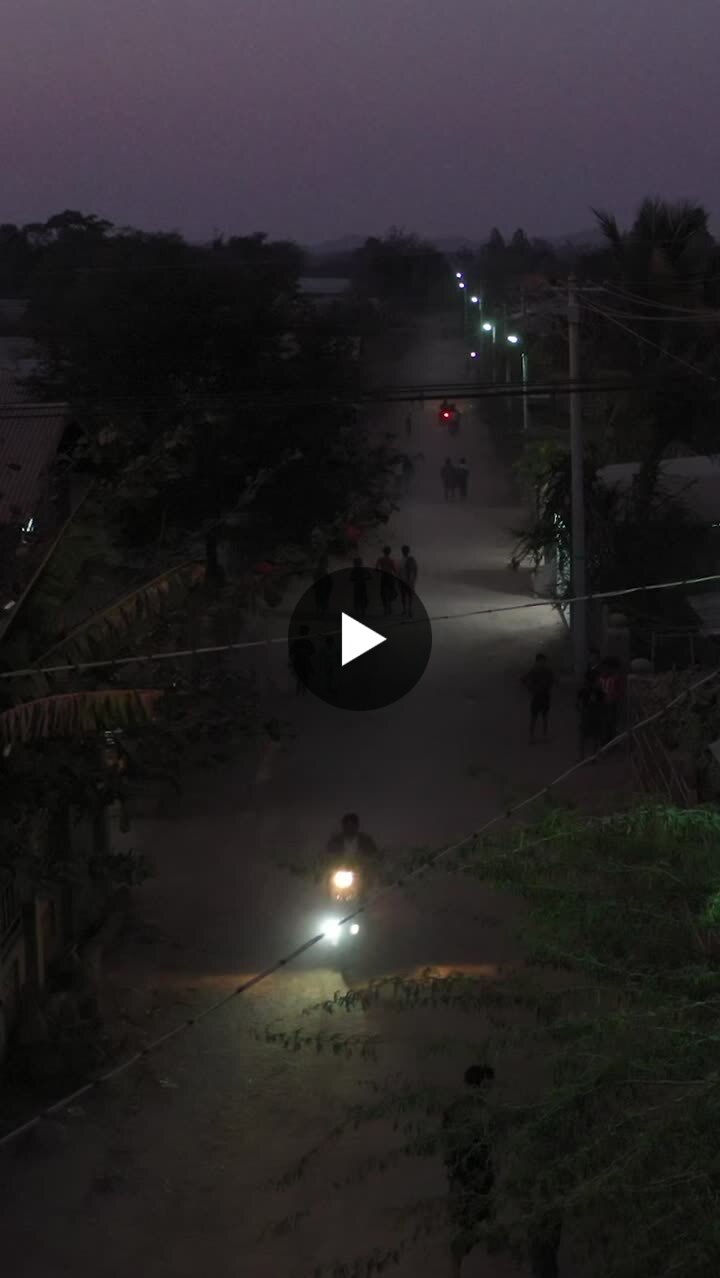
Myanmar's mini-grids might fail, putting over 200,000 people in the dark. A weakened currency and high inflation mean user fees no longer cover costs, leaving most operating on borrowed time — but if these grids can issue and sell I-REC(E)s, the added revenue can be the difference between a village staying powered and going dark. SPM is laying the groundwork; if your organization would like to help a village, please reach out.
View post 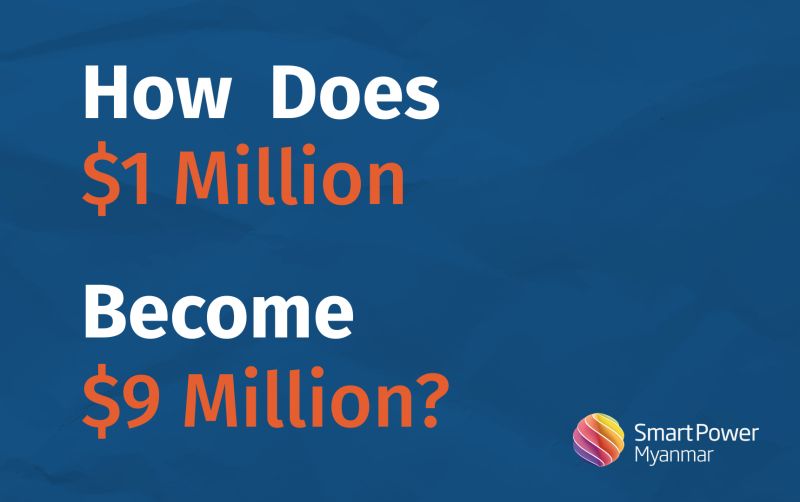
High-impact, low-risk interventions make the most of development capital — which is why it matters that loan guarantee funds can unlock 9X in private capital. In Myanmar, we've used this model to mobilize $8M for commercial solar with zero defaults to date, and it isn't limited to renewables: anywhere local capital is scarce and risk feels too high, a guarantee fund can show banks that lending is viable. Thanks to AVPN for hosting Jes Kaliebe Petersen and Smart Power Myanmar in your Member Spotlight.
View post Every megawatt-hour carries two things of value: the power itself and the environmental claim behind it. I-REC(E)s allow renewable energy producers to increase revenue by selling those environmental claims while retaining the electricity itself — improving financial bottom lines, protecting jobs, and unlocking new partnerships with local and international buyers.
View post 
"Because of solar energy, I was able to hold my baby." Following the March 28 earthquake, nearly 200 health facilities across Myanmar were damaged. SPM partnered with the Myanmar Maternal and Child Welfare Association to install emergency solar systems in two maternity clinics — keeping the lights on, the equipment running, and saving lives.
View post 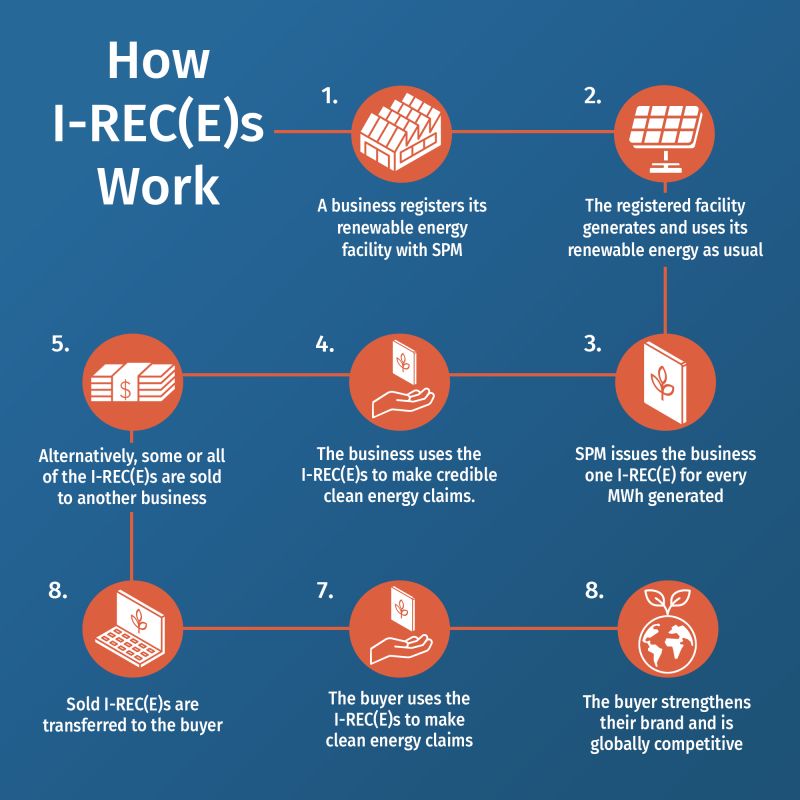
How exactly do I-REC(E)s work? Put simply: they separate the environmental claim of renewable energy from the actual electricity. Each certificate represents 1MWh of renewable generation — giving producers additional revenue and giving buyers a credible, internationally recognised way to make renewable energy claims.
View post 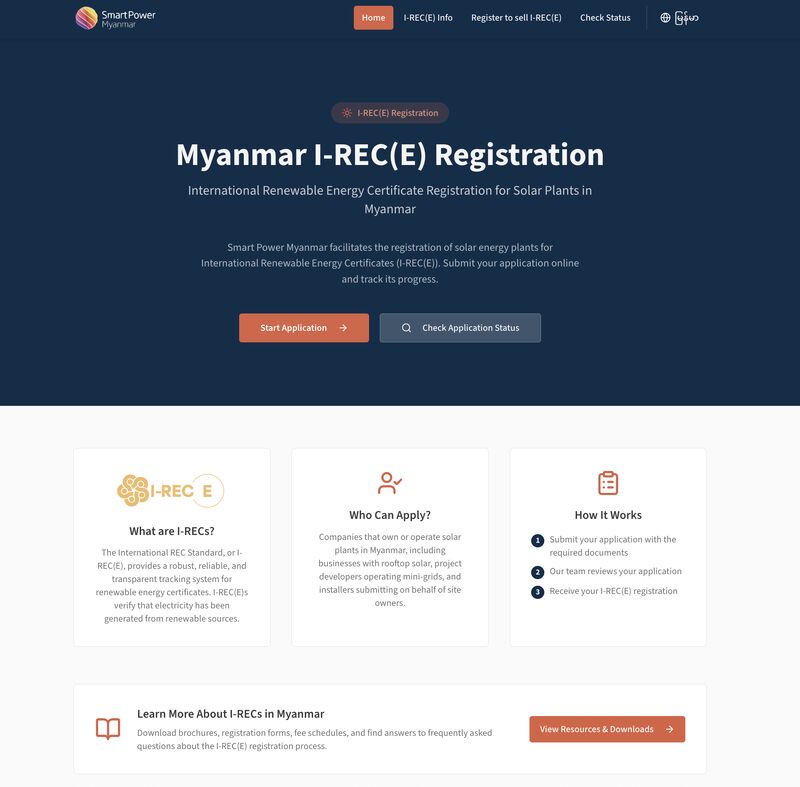
We've launched our new I-REC(E) website! As Myanmar's hub for renewable energy certificates, the site gives businesses the information and tools needed to register and begin issuing and selling I-REC(E)s. For facilities planning to issue certificates for electricity generated between January and June 2025, the facility registration deadline is 2 May 2026.
View post 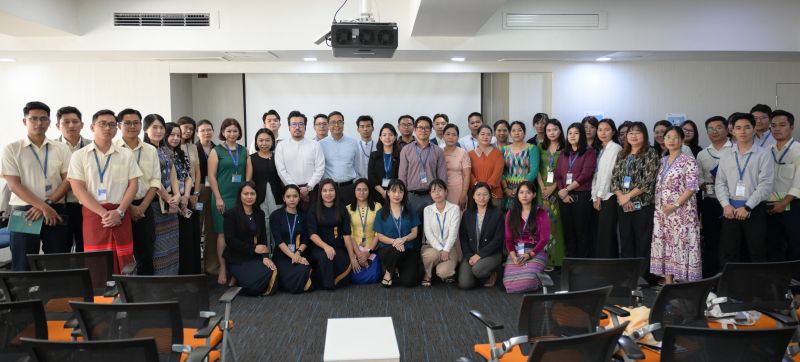
Despite the immense savings from solar energy, banks are critical to financing renewables — solar growth depends on them. We're thrilled to have delivered our 'banking for solar energy' intro course to CB Bank PCL, covering solar foundations, financing structures, risk management, and the role of I-REC(E)s as an additional source of value and revenue.
View post